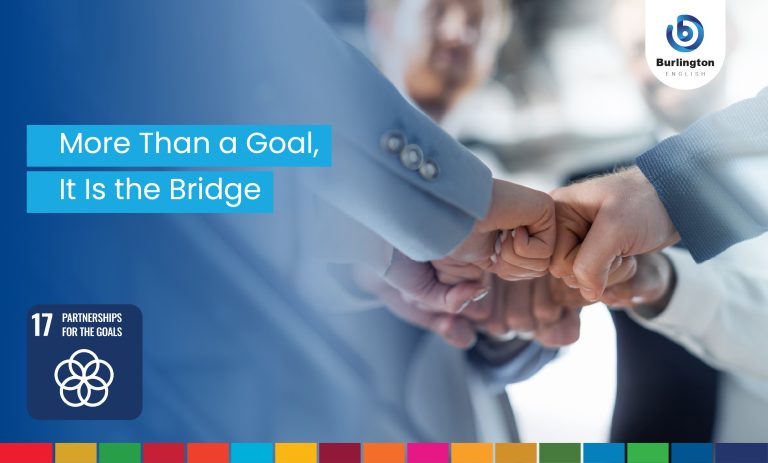
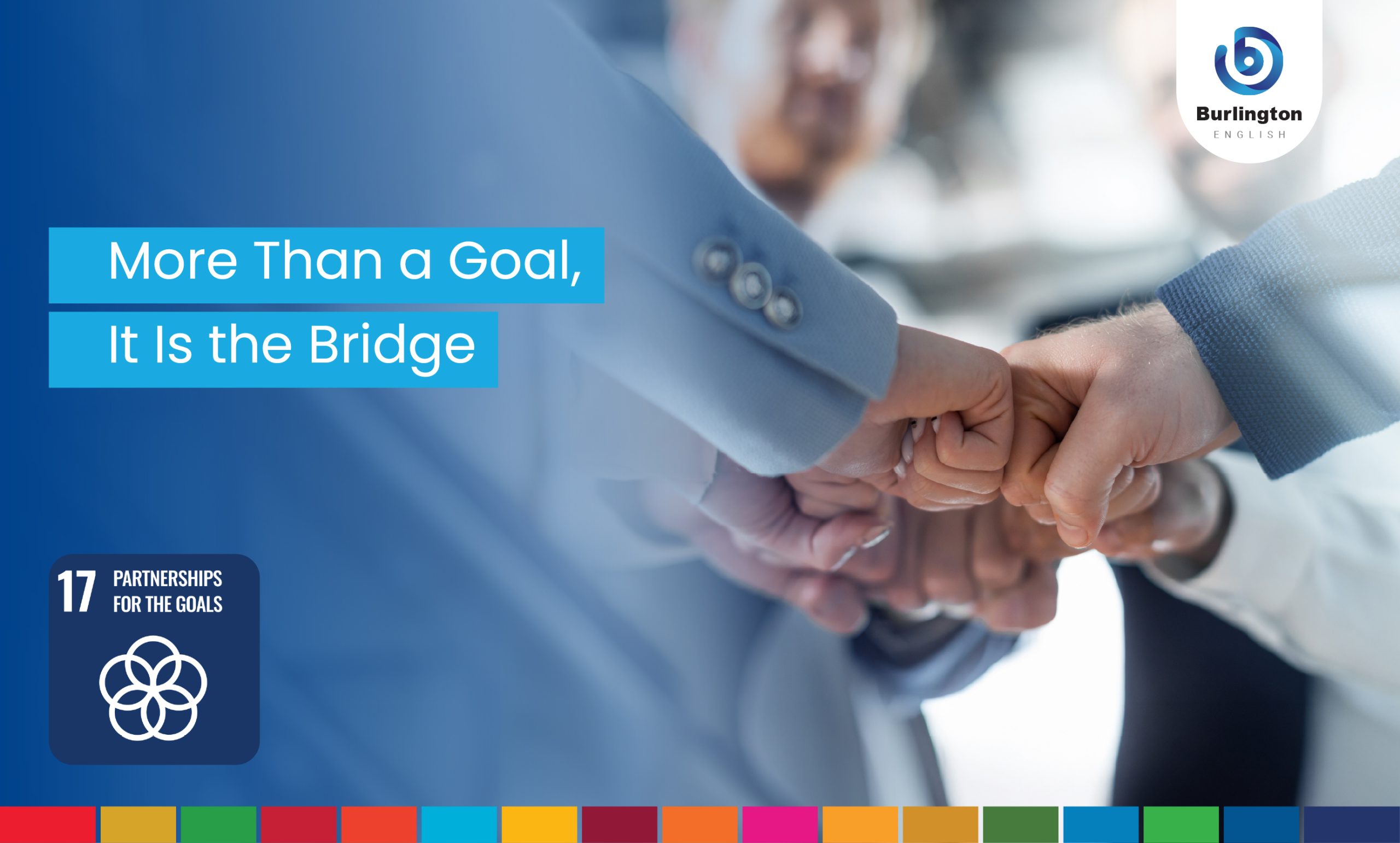

Every time I speak to educators about the Sustainable Development Goals, I ask them a simple question: “If you were allowed to remove one goal from the list of seventeen, which one would it be?” The discussion usually revolves around poverty, education, climate action or gender equality. Rarely does anyone mention Goal 17, Partnerships for the Goals. To many, it is an administrative add-on, placed conveniently at the end of the list.
Yet, I have come to believe that Goal 17 is the most important of them all. In fact, I often hesitate to call it a goal. To me, it is the vehicle that carries the weight of the other sixteen goals. Remove it, and the entire framework begins to wobble.
A Lesson the World Learnt
When the world reviewed the Millennium Development Goals after fifteen years, an interesting pattern emerged. Many countries had made significant progress. Others had struggled despite sincere efforts. The question was obvious. If the goals were right, why were the outcomes so uneven? The answer lay not merely in policy or funding but in the way the work was organised.
Governments worked in isolation. Universities generated research that rarely reached classrooms or communities. Business innovations remained detached from public systems. Civil society organisations worked tirelessly without alignment with government priorities. International agencies supported projects worldwide, but local ownership was not always strong.
The world then realised that complex challenges cannot be solved in silos. When the Sustainable Development Goals were adopted in 2015, Goal 17 was not included as an afterthought. It was included because humanity had learnt an important lesson. No country, institution, or profession can achieve sustainable development alone.
An Ancient Wisdom
For us in India, this insight is hardly new. Thousands of years ago, the Rig Veda offered a timeless invitation: Sangachhadhwam Samvadadhwam. Walk together. Speak together. Let your minds be in harmony.
What a remarkable vision of partnership. It is not a partnership driven by contracts, targets or funding. It is a partnership built on shared purpose. Another cherished Indian idea, Vasudhaiva Kutumbakam, reminds us that the world is one family. Families do not function because agreements are signed. They thrive because responsibilities are shared. Perhaps this is what Goal 17 is truly asking of us. Not simply to collaborate, but to cultivate a sense of belonging to one another.
Schools Teach This Every Day
Education offers one of the finest examples of the principle of partnership. When a child succeeds, we often congratulate the student or the teacher. Yet every educator knows that learning is never the work of one individual. Parents nurture, and teachers inspire learners. School leaders, on the other hand, create the culture. Support staff ensure safety, care, and wellbeing. Technology enables access. Communities create opportunities. Policymakers provide direction. Industry contributes expertise. Each stakeholder plays a different but equally important role. Imparting education itself is an example of Goal 17 in action.
The Banyan Tree
Whenever I think about partnerships, my mind goes to the magnificent banyan tree we sat under in my village many years ago. Most visitors admire its mighty trunk. Few notice the hundreds of aerial roots quietly descending from its branches. Each root appears insignificant on its own, yet together they strengthen, nourish and sustain the entire tree.
Goal 17 is much like those unseen roots. It may not receive the attention commanded by climate action, quality education or clean water, but without it the entire structure becomes fragile. The least visible relationships often support the strongest systems.
Before Seeking Partners
In leadership workshops, I often hear people asking: “How do we build partnerships?” Perhaps we should begin with a different question: “How do we become worthy partners?” Can people trust our commitments? Do we listen before we lead? Can we celebrate shared success instead of seeking individual credit? Are we willing to contribute even when recognition is absent? Partnership is not a memorandum of understanding; it is a habit of understanding.
Beyond Institutions
As I reflect on Goal 17, I see partnerships at three levels. Sustainable development begins when these three partnerships come together:
- Partnership with ourselves, where our values align with our actions.
- Partnership with people and institutions, where diversity becomes strength rather than division.
- Partnership with our planet, recognising that humanity flourishes only when nature flourishes.
A Small Beginning
The Sustainable Development Goals can often appear overwhelming — 17 goals, 169 targets and 234 unique global indicators. Yet meaningful change rarely begins with a global conference. It begins when a teacher reaches out to a parent, when two schools decide to learn from each other rather than compete, when a business mentors a neighbourhood school and when a university opens its doors to the local community.
The invitation of Goal 17 is to create a culture where partnership becomes our natural way of working. Because when we truly learn to walk together, the journey towards the other 16 goals becomes not only possible, but inevitable.
We hope you had fun reading this blog! You can also read our blog on ‘The Quiet Revolution of Energy: Why SDG 7 Matters to Every Child’.
By Ashok Pandey, Fellow for Global Peace Foundation and SDG Advisor, Burlington English