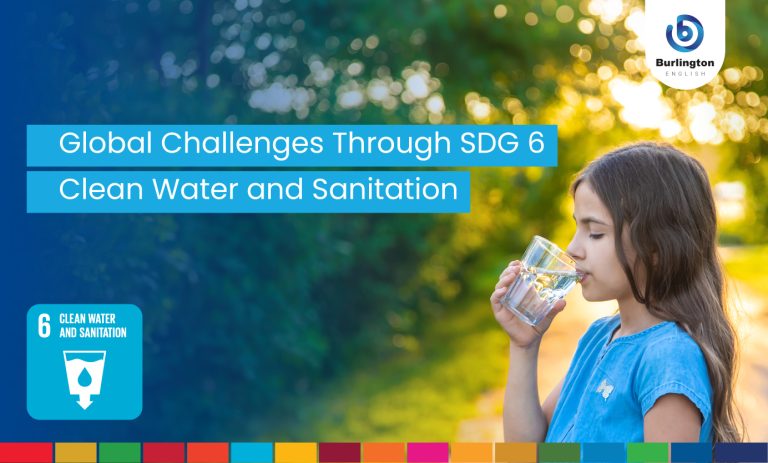

The time is not far when the need for clean drinking water will be declared a fundamental right as part of right to life, across the globe. The United Nations’ SDG 6, Clean Water and Sanitation, is a stark reminder of that fundamental right as a cornerstone of human dignity. Unfortunately, across the world, and especially in developing regions, this right remains unevenly distributed. As we move toward the vision of a Viksit Bharat, the call to protect, conserve, and equitably share water will grow louder.
Water is the quiet architect of life. We rarely notice it until it becomes scarce, polluted, or inaccessible. Rivers were revered as mothers, Ganga, Narmada, Saraswati, and our settlements blossomed around them. The ghats, baolis, stepwells, tanks, and ancient canal systems across the subcontinent reflect a profound understanding of hydrology. Communities practised water harvesting long before modern terminology came into existense. In the Atharva Veda, water is refered as the “elixir of immortality,” reminding us that purity of water is linked with purity of society. The NEP 2020 echoes this heritage by emphasising environmental stewardship and experiential learning as the core.
The water–sanitation challenge stands among the most pressing global concerns today. According to UNICEF, 1 in 4 people in the world lack safe drinking water, and nearly 3.5 billion lack safe sanitation facilities.India has made a significant progress by providing piped water, and through the Swachh Bharat Mission. Groundwater depletion is reported from all major cities in India. Contamination from industrial effluents, lack of waste segrigation at source, and climate-induced water crisis are threat to water security in India. As per WHO estimates over 100,000 children in India die each year from diarrhoeal diseases linked to unsafe water and poor sanitation.
Poor sanitation affects education, gender equity, dignity, and productivity. Many girls are forced to drop out from schools due to a lack of toilets, jeopardising lifelong opportunities. Repeated illnesses, lowering learning outcomes and causing absenteeism in schools have their roots in consuming contaminated water. Water scarcity fuels migration, affects mental health, and triggers local conflicts. The polluted rivers, lakes, and wetlands lose their ability to regenerate.
Children’s love for water, its flow, rhythm, transparency, and mystery is overwhelming. Integrating water stewardship in the curriculum plants seeds of lifelong responsibility towards water, that is so precious. Undertaking intentional projects around tracking daily water usage, studying rainfall data, and observing how wastewater is generated can help students see patterns of consumption and understand the roots of scarcity. NEP 2020 encourages connecting knowledge with life experiences.
Teachers can play avital role by including water-based themes in the lessons plans across disciplines. Students are encouraged to explore water from multiple lenses: scientific, cultural, economic, and ethical. A poem on rain, a story about rivers, a science experiment on filtration, or a class project on groundwater recharge can turn the classroom into a living water laboratory. Many schools around the country have created “Blue Corners,” showcasing conservation tips, water cycle models, and student designed posters.
Action-based approach to water conservation includes conducting water audits, preventing water leaking, installing low-flow fixtures, maintain RO systems, and setting up rainwater harvesting units. Campaigns such as handwashing, greywater recycling, and clean-toilet drives have been successful in building habits that travel from schools to homes. When children consume water responsibily in their hostels, washrooms, playgrounds, and science labs, they learn to rever water and take this learning back to their families and communities.
Student-led initiatives as water ambassadors, eco-clubs, and community outreach projects can promote the ethos of conservation beyond the classroom. In rural schools, students can monitor the cleanliness of local ponds, analyse drinking water sources, and document traditional water wisdom. In urban settings, they can map water wastage points, study wastewater treatment, and promote sustainable consumption. Through these efforts, children become solution-seekers, not passive recipients of knowledge.
The ancient stepwells teache us about groundwater recharge. The pancha-mahabhuta philosophy teaches us that water is a fundamental elements of life. The ancient practice of jal daan, offering water reflects a culture of sharing. By integrating these practices in education we strengthen both scientific literacy and cultural consciousness.
Ensuring clean water and sanitation is a civilisational imperative and a moral responsibility. Schools must teach to value water, and build a culture of care around water. SDG 6 will then move from being a global aspiration to a local, lived reality.
By Ashok Pandey, Advisor – SDGs