
A consistent daily schedule is important in bringing stability and a sense of security to a child. A routine is not just about structuring and filling their day with activities. It is about giving them an ordered setting to impress in them discipline and time management as core values. A routine goes a long way in a child’s overall growth. A well-planned routine promotes healthy habits.
It is advisable to involve children while creating their schedule as it allows them to choose the activity they want to pursue. It also teaches them a life lesson of taking responsibility for their decisions and choices. Here are some suggestive tips which can be used when crafting a balanced day for a child:
Setting Morning Rituals
A morning routine helps set the tone for the day. Parents can use this time to instil good habits and discipline in a child. They can begin their child’s day with basic hygiene tasks like brushing their teeth and washing their face, followed by light stretching. A morning walk or some physical activity of the child’s liking can also be integrated into the schedule. A fitter start is a better start and helps the child feel energised and ready for the day ahead.
Learning Time
It is important to block some time for focused learning for children. More traditionally, this means doing on schoolwork or learning a new concept. But it can also mean reading a book, solving a puzzle, or even engaging in art and craft. The focus should be on honing skills such as creativity, problem solving, and critical thinking, instead of rote learning.
Time to Move and Groove
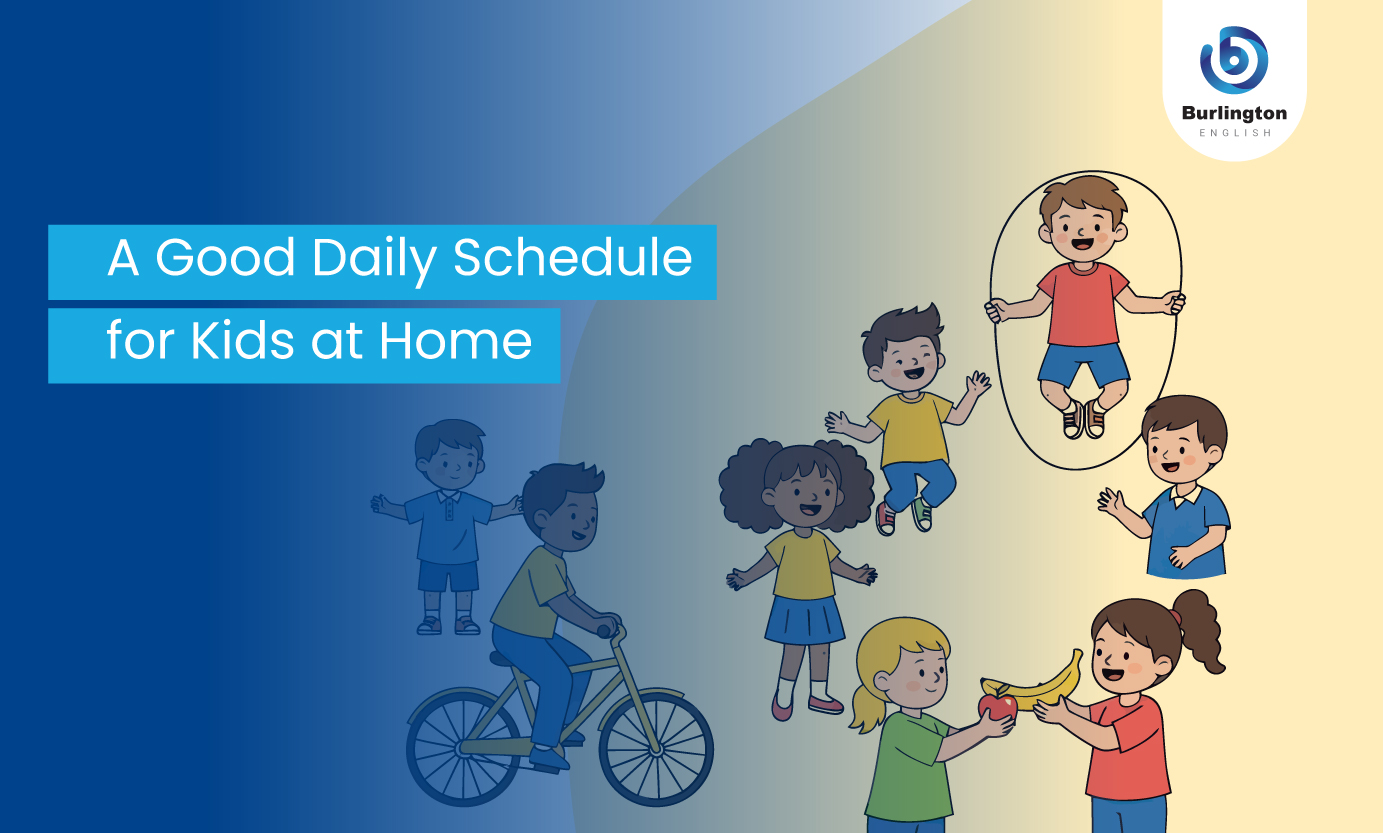
Physical movement is important for a child’s holistic growth and wellness. Parents can include activities in the routine, like cycling, dancing, or outdoor games. If playing outdoors is not feasible, then some indoor exercises like yoga, jumping jacks, or a mini fun obstacle course can be used to keep the young ones active. Physical movement not only gives them fitter and stronger bodies but also helps boost their mood, keep crankiness at bay, and improve their motor skills.
Play Zone
Interestingly, young learners can focus on a task longer if it is of interest and self-initiated. Therefore, free-choice time is necessary to help preschoolers exert their free
will and explore their potential. Free and unstructured play time aids their imagination and problem-solving skills. It also allows them to express themselves more freely, adding to their language, communication, and social skills.
Nourish with Regular Meals and Healthy Snacks
For a child to grow up physically healthy, good food is of utmost importance. Timely meals also help children understand their body clock. Meals for children should comprise a balance of fruits, vegetables, proteins, and whole grains. For snack time, they can be offered healthy options like yoghurt, nuts, or fresh fruits of their choice.
Letting children help with meal preparation and cooking is a great way to help them build a healthy relationship with food. It not only helps them acquire an important life skill but also ingrains in them the value of nutrition.
Some Quiet Time
It is essential to train young ones in the art of being in tune with their inner world – the mind. Quiet time helps children regulate emotionally. A few activities that are a gateway to quiet time are sky gazing, bird watching, nature walks or listening to calming music. While some children like these stimulating activities, others simply like to take a nap. Either way, the quiet time makes them feel relaxed and rejuvenated, which helps them become sharper, calmer and clearer.
Build Connections
Teaching children ways of building connections goes a long way in their lives. It can be done by putting aside a few hours for interactions with family members or friends. Family game nights, video calls with friends or group activities like baking and gardening facilitate bond-making with children. Besides, social interaction helps them improve their communication skills and develop empathy.
Wind Down with Evening Rituals
A calming bedtime routine is the best way to wrap up an activity-filled day. The day can be ended with a warm bath followed by story time or little ones talking about their day. Putting them to bed at a set time makes them look forward to their evening ritual and ensures adequate and restful sleep. A good night’s sleep works as an elixir for their holistic development.
As we offer these suggestions, we request parents, guardians and caregivers to understand that every child is unique, and their needs may vary. So, leave some room for adjustments based on the child’s energy levels and interests. The time parents put into creating a plan for their child is worth the effort; however, it is best not to expect overnight results.
It is normal to face certain blocks or hiccups at the start, as children take time to adjust to any new routine. However, kids respond very well to a nurturing environment. Therefore, parents should focus on creating a learning and loving environment to make the overall schedule successful. Once the children start absorbing the new environment, they will start following the routine bit by bit.
We hope you enjoyed the blog. If you want to read about how to build healthy habits for children, you can read our blog: What Are 10 Good Habits for Kids?
By Dr. Neeta Bali