
There are some sounds from childhood that never leave me.
One such sound was the rhythmic thumping of the village flour mill and the loud mechanical hum of pumps drawing water into fields. In the village where I grew up, energy was never something we discussed in abstract terms. It was not a chapter in science, a policy debate, or a sustainability slogan. Energy meant survival. It meant whether crops would grow, whether families would eat, and whether hard work would eventually bear fruit.
I remember village elders waiting for electricity to power tube wells for irrigation. Supply was erratic and came at inconvenient hours. Sometimes, electricity arrived late at night, and farmers rushed in darkness to water their fields. I remember occasionally accompanying my grandfather on such sojourns. When electricity failed, diesel pumps became the only option. Yet diesel was expensive and often beyond the reach of poorer farmers. The village oil mill, rice crusher, and flour mill were powered by electricity. Any delay in threshing or milling affects livelihoods. The burden was both economic and emotional.
Looking back, I realised something important. Energy poverty is rarely discussed with the urgency it deserves because those who suffer from it often suffer silently. Today, when I revisit the same village, half a century later, the landscape feels transformed. Electricity supply is more reliable. Agricultural machinery is more accessible. Pumps work more efficiently. Flour mills run with greater consistency. Solar panels are dotting the roofs of houses. The anxiety around energy has not disappeared entirely, but life feels more dignified, predictable, and hopeful.
This transformation explains why the UN’s Sustainable Development Goal 7, affordable and clean energy, matters far more than many of us realise. At first glance, Goal 7 may sound technical. Clean energy. Renewable systems. Infrastructure. Sustainability. These may sound like echoes from a valley.
Yet beneath these policy words lies a deeply human story. Affordable and clean energy is not only about electricity. It determines whether children can study after sunset. It raises uncertainty about whether hospitals can function reliably and farmers can irrigate their land. It decides whether women will spend hours collecting fuel or spend time at home, and whether handicapped communities will participate in economic progress or not.
Without affordable energy, opportunity itself becomes unequal. Children living in energy-poor households begin life with invisible disadvantages. Interrupted learning, reduced productivity, digital exclusion, limited access to health, and limited economic mobility shape futures long before ambition has a chance to grow. At the same time, the world today faces another difficult question. How do we meet growing energy demands without damaging the planet? This is where Goal 7 becomes both urgent and complex.
Developed nations used fossil fuels and accelerated their industrialisation. Their economic prosperity was built on intensive energy consumption. Developing countries, including India, face a different challenge. We cannot deny millions of people access to development, livelihoods, mobility, and better living conditions. At the same time, we cannot ignore climate change.
The tension is about the balance between development and sustainability. The answer perhaps lies not in choosing one over the other, but in finding wiser pathways. India’s journey offers an interesting lesson here. The expansion of solar energy, cleaner cooking fuel, renewable power, improved rural electrification, and investments in sustainable infrastructure reflect an attempt to balance growth with responsibility. Today, India’s energy requirements met through renewable sources account for more than twenty per cent.
Interestingly, Indian wisdom traditions had long recognised the importance of living in balance with nature. Our civilisational thinking rarely viewed humans as separate from the environment. Human flourishing cannot come at the cost of ecological imbalance. The concept of ṛta– harmony and order in the universe- and aparigraha– mindful restraint- encourage harmony with nature and responsible consumption.
This does not mean rejecting progress or romanticising poverty. It means asking wiser questions. Can we grow without wastefulness? Can we consume without exploitation? Can technology and tradition work together to build a more sustainable future?
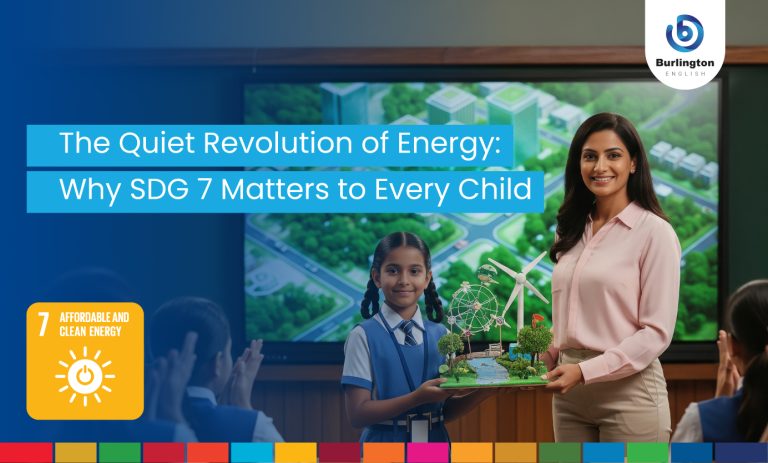
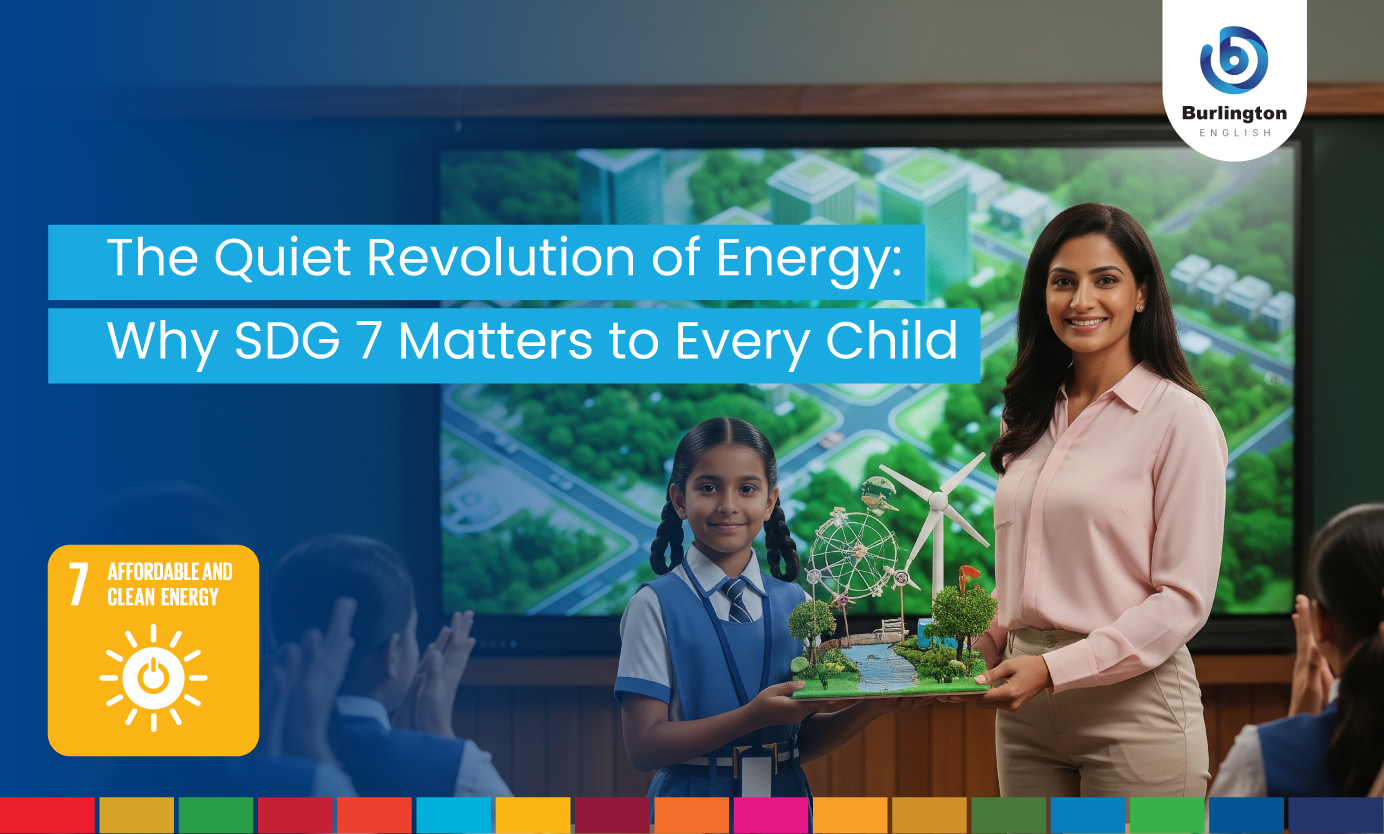
Energy sustainability demands good habits such as turning off unnecessary lights, using energy mindfully, choosing cleaner alternatives where possible, and supporting renewable solutions. Educators must help children understand that energy affects every aspect of life, from farming and transport to health, livelihoods, and the climate.
Many schools are encouraging students to conduct energy audits of their schools, explore solar solutions, interview grandparents about changing lifestyles, or reflect on how access to energy influences quality of life. The Central Board of Secondary Education (CBSE) has introduced Kaushal Bodh in the middle years. These are not merely projects. They are invitations to think deeply about responsibility toward life forms, human-machine relationships, and human service.
And when children begin to understand this early, they do not merely inherit a planet. They learn how to care for it. For me, the memory of my grandfather waiting patiently near a tube well still remains vivid. At that time, I did not know that, decades later, the world would speak of the SDG goals and clean energy transitions. But somewhere in that waiting, the real meaning of Goal 7 was already unfolding.
We hope you had fun reading the blog. You can read about SDG 6 here- Addressing Global Challenges Through SDG 6: Clean Water and Sanitation.
By Ashok Pandey, Fellow for Global Peace Foundation and SDG Advisor, Burlington English